 ultimate-guide
Dystopian Fashion Trends for 2026: The Definitive Guide
Last Updated: October 24, 2026
Quick Summary
Dystopian fashion for 2026 centers on distressed denim, oversized silhouettes, statement outerwear, and bold color blocking rather than clean minimalism. Designers are favoring lived-in, repaired-looking garments that read as functional and defiant, with fall 2026 pushing rugged layers, long coats, and utility wear.
- Build one outfit formula at a time instead of assembling all five at once.
- Layer in three tiers: fitted base, textured middle, and dramatic outer layer.
- Keep one statement piece per outfit and let everything else stay quiet.
- Buy the defining outerwear layer first, since it sets the silhouette.
- Build post-apocalyptic looks over months so wear looks earned, not purchased.
Table of Contents
- Why Dystopian Fashion Is Taking Over 2026
- Dystopian Fashion Trends for 2026: What the Runways Predict
- Dystopian Outfit Ideas You Can Wear Now
- Post-Apocalyptic Fashion: From Wasteland to Wardrobe
- Wasteland Aesthetic Outfits: Layering, Textures, and Silhouettes
- Futuristic Fashion Trends 2026: Where Dystopia Meets Tomorrow
- How to Wear Dystopian Fashion Without Looking Like a Costume
- Conclusion
- Frequently Asked Questions
Why Dystopian Fashion Is Taking Over 2026
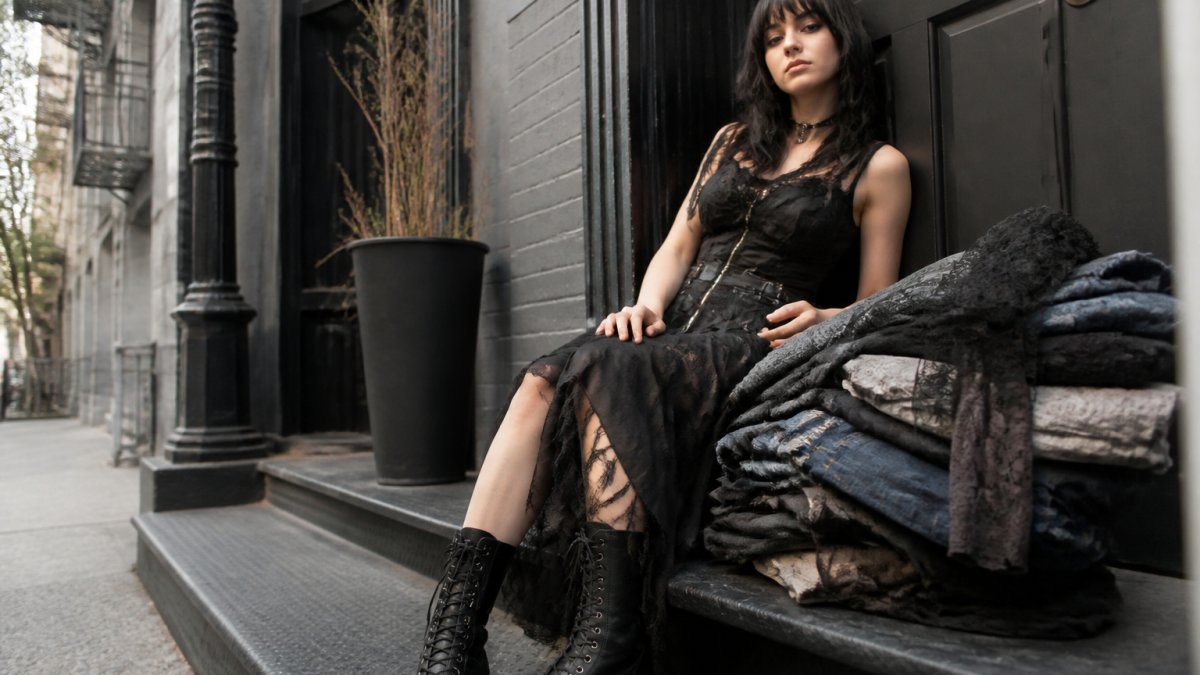
Dystopian fashion is the practice of dressing in ways that reference collapse, survival, and resistance, and it has moved from subculture margins into the mainstream conversation.
Look at what people are actually wearing. Utility straps. Faded denim. Long coats that look scavenged rather than shopped. Layered silhouettes that suggest you dressed for weather, not for a mirror.
That shift is not random. Fashion has always absorbed public anxiety and turned it into something wearable. When institutions feel shaky, designers reach for armor, texture, and garments that imply endurance. The runway follows the mood of the street, and the street is in a mood.
Dystopian Fashion Trends for 2026: What the Runways Predict
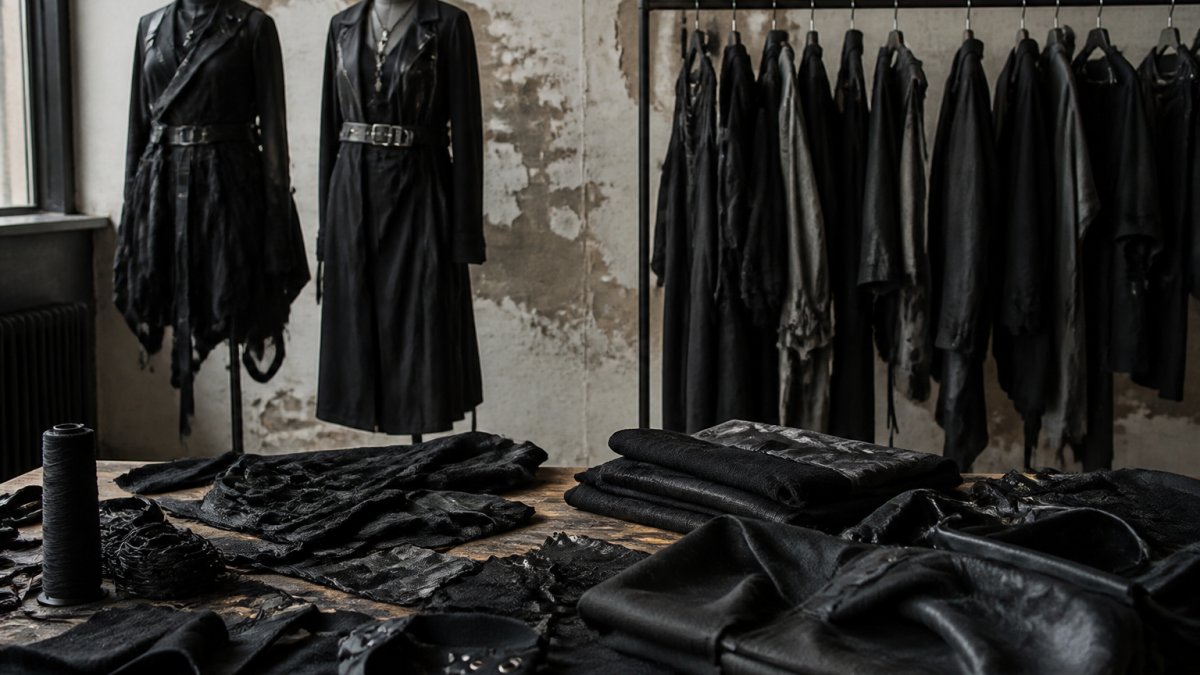
The strongest signals for 2026 point to distressed denim, oversized silhouettes, statement outerwear, and bold color blocking rather than clean minimalism. Designers are leaning into garments that look lived-in and repaired. Perfection is out. Evidence of survival is in.
Fall and Seasonal Trends to Watch
Fall 2026 pushes texture to the front. Expect rugged layers, long coats, and utility wear that reads as functional clothing rather than decoration. Brown vests, textured dresses, and colorful denim appear repeatedly in seasonal trend forecasts, and the throughline is contrast: soft fabrics cut into hard shapes, bright color dropped into a dark palette.
The seasonal shift matters for one reason. Fall is when layering becomes necessary rather than stylistic, and dystopian fashion is built on layers. A long coat over a textured dress over distressed denim is not a costume. It is a system.
Dystopian Outfit Ideas You Can Wear Now
Here are five formulas you can build from pieces already in your closet, ranked from easiest to most committed. Each one includes the layering logic, a climate adaptation, and a budget note so you can actually wear it rather than just pin it.
-
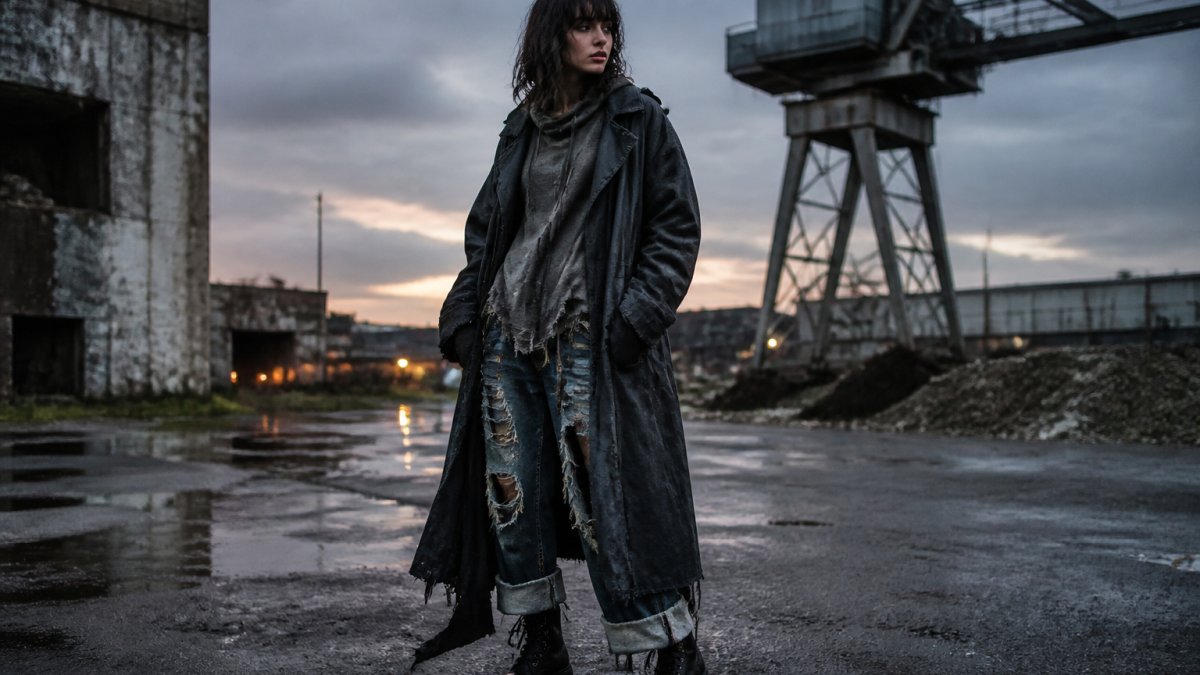
The urban survivor. Oversized long coat, distressed denim, chunky boots. Add a utility belt to break up the vertical line. Layering logic: the coat sets the silhouette, the belt restores waist definition, and the boots ground the hem. Cold climate: swap the denim for a thermal-lined straight leg and add a merino base layer. Warm climate: choose an unlined cotton-twill coat and roll the sleeves. Budget note: the coat is the only piece worth spending on; thrifted denim and work boots carry the rest.
-
The wasteland wanderer. Brown vest over a textured dress, layered leggings, scuffed boots. Earth tones do the work. Layering logic: the vest adds a hard middle tier over a soft base, which is the texture contrast the aesthetic depends on. Cold climate: add a long-sleeve knit under the dress and swap leggings for wool tights. Warm climate: choose a linen vest and a cotton dress, and skip the leggings. Budget note: vests are the most common secondhand find in this aesthetic, check workwear and hunting sections first.
-
The neon rebel. All-black base with one loud color piece, a bold chevron print or colorful denim jacket. Contrast is the point. Layering logic: the black base absorbs the noise so the single color piece reads as intentional rather than accidental. Cold climate: layer the color piece over a black hoodie and keep the outer layer matte. Warm climate: let the color piece be the outer layer and keep the base sleeveless. Budget note: one statement piece is enough; do not buy a second loud item to "balance" it.
-
The dark academic. Long coat, tailored trousers, layered knitwear, worn leather satchel. Restrained but deliberate. Layering logic: this is the most wearable entry point because it borrows from tailoring rather than survival gear. Cold climate: add a scarf and a second knit layer; the coat should still close comfortably. Warm climate: replace the coat with a long unstructured blazer. Budget note: tailoring is where fit matters most, a cheap coat that fits beats an expensive one that does not.
-
The futuristic edge. Metallic reflective jacket over matte black, technical fabrics, a single oversized accessory. Layering logic: the matte base keeps the reflective piece from reading as costume; the accessory should be the only other loud element. Cold climate: choose a lined technical shell and add a thermal mid-layer. Warm climate: look for unlined ripstop or nylon rather than coated reflective fabric, which traps heat. Budget note: technical fabrics are the hardest to thrift, this is the formula where one deliberate purchase makes sense.
A note on fit and accessibility: oversized silhouettes still need to clear the shoulder and hem correctly, and layered outfits can create sensory friction at the neck and waist.
If you want to build the first formula from scratch, browse all products in the Dresses category to find a textured base layer that anchors the whole look.
Post-Apocalyptic Fashion: From Wasteland to Wardrobe
Post-apocalyptic fashion translates survival imagery into wearable clothing: ripped seams, patched fabric, hardware, and garments that look repaired rather than replaced.
It helps to separate it from the styles it gets confused with, because the terms are not interchangeable and mixing them is the fastest way to end up with an outfit that reads as costume:
- Dystopian fashion is the broader umbrella: clothing that references collapse, surveillance, and resistance. It can be clean and futuristic or worn and scavenged.
- Post-apocalyptic fashion is a subset focused on aftermath and survival, repair, scavenging, and improvised function.
- Cyberpunk leans futuristic and technological: neon, reflective surfaces, and hardware that implies augmentation.
- Military and utility styling borrows function-first garments (cargo, webbing, surplus) without the narrative of collapse.
- Grunge is about attitude and disorder through soft, worn layers rather than survival hardware.
A coherent look usually picks one lane and borrows one element from a neighbor. A post-apocalyptic base with a single cyberpunk accessory reads intentional.
The mistake most people make is going literal. A full wasteland look reads as cosplay the moment it leaves a photoshoot.
That is where a damaged denim punk jacket earns its place. One piece, worn hard, styled against plain black, does more than five costume elements stacked together.
There is also a sustainability argument for this lane specifically.
Wasteland Aesthetic Outfits: Layering, Textures, and Silhouettes
Layering is the entire engine of the wasteland aesthetic. The silhouette depends on three tiers: a fitted base, a textured middle, and a dramatic outer layer.
Texture carries the mood. Matte against sheen. Knit against leather. Frayed edges against something structured. A wasteland look with no texture variation reads flat, no matter how many pieces you pile on.
Oversized silhouettes need one point of definition or the body disappears. A belt, a cropped middle layer, or a tucked base fixes it instantly.
| Layer | Purpose | Example Pieces |
|---|---|---|
| Base | Fitted, matte, defines the body | Dark tee, fitted dress, leggings |
| Middle | Adds texture and contrast | Knit, vest, distressed denim |
| Outer | Sets silhouette and drama | Long coat, hooded cloak, statement jacket |
A black hooded cloak is the fastest way to add that dramatic outer tier, and it layers over almost anything you already own.
Futuristic Fashion Trends 2026: Where Dystopia Meets Tomorrow
Futuristic fashion in 2026 splits into two directions: reflective and technical on one side, soft and deconstructed on the other. Both belong to the dystopian family. One suggests the future arrived and it is chrome. The other suggests the future arrived and we rebuilt from what was left.
Metallic finishes, technical fabrics, and hardware detail dominate the first direction. Asymmetric cuts and exposed seams dominate the second. The trend forecast keeps returning to the same idea: clothing that looks engineered rather than decorated.
A jaded metallic reflective jacket sits at the center of the first direction and works as the single statement piece the rest of the outfit supports.
How to Wear Dystopian Fashion Without Looking Like a Costume
The line between dystopian fashion and costume comes down to restraint and fit. Costume is loud everywhere. Dystopian style is loud in one place and quiet everywhere else.
Three rules keep it wearable:
- One statement per outfit. If the coat is dramatic, keep everything else simple.
- Fit beats drama. An oversized silhouette still needs to sit correctly at the shoulder and hem.
- Real wear reads better than fake wear. Distressing that looks manufactured undermines the whole look.
This is where custom pieces solve a real problem. Standard sizing forces you to compromise on the silhouette that makes dystopian fashion work, and a garment that fits properly reads as clothing rather than dress-up. If you want a piece built around your measurements and your version of the aesthetic, explore custom designs and specify exactly what you want.
Conclusion
Building a dystopian wardrobe takes patience, because the aesthetic rewards wear, layering, and pieces that fit properly rather than a single shopping spree. That is the challenge: most brands sell you a look, not a system.
At Snarkeez, we build the system. Our custom-made, one-of-a-kind pieces are designed for people who reject uniform, generic fashion and want clothing that carries their own identity. Every design starts from the dystopian aesthetic and ends with something that fits you specifically.
Shop Snarkeez and build a wardrobe that says what you actually mean.
Frequently Asked Questions
What is dystopian fashion?
Dystopian fashion is an aesthetic that draws from post-apocalyptic and futuristic imagery, often featuring distressed fabrics, layered silhouettes, utility details, and dark or muted color palettes. It reflects themes of survival, rebellion, and non-conformity, blending rugged functionality with high-fashion edge. In 2026, dystopian fashion is moving from subculture to mainstream runways, with designers incorporating oversized coats, textured dresses, and bold utilitarian elements into their collections.
How do you create a dystopian-inspired outfit?
Start with a foundation of dark or earthy tones, then layer oversized and distressed pieces. Combine a long coat with ripped denim, add utility boots and textured accessories like leather harnesses or chunky jewelry. Incorporate futuristic elements such as metallic accents or asymmetrical cuts. The key is to mix rugged, worn-in textures with sleek, modern shapes to create a look that feels both survivalist and stylish.
Where can you find custom-made dystopian clothing?
For custom-made dystopian clothing, look for independent brands that specialize in alternative fashion and offer made-to-order pieces. Snarkeez provides a curated collection of dystopian-inspired apparel, including custom hexed dresses and unique ensembles crafted to reflect your personal style. These pieces are designed for rebels and outcasts who want authentic, non-conformist clothing that breaks away from generic industry standards.
How can you wear dystopian fashion without looking like a costume?
To avoid a costume look, balance statement pieces with everyday basics. Pair one dramatic item, like an oversized coat or distressed vest, with simple jeans and a plain tee. Stick to a cohesive color palette and focus on quality fabrics and fit. Subtle dystopian details, such as asymmetric zippers or raw hems, can add edge without overwhelming your outfit. The goal is to integrate the aesthetic into your personal style, not wear it as a disguise.