 how-to
7 Steps to Custom Made Alternative Fashion Online
Last Updated: October 25, 2026
Quick Summary
Custom made alternative fashion online means you commission a garment built to your measurements and design brief rather than buying standardised stock. The process runs from enquiry and design brief to measurements, deposit, construction, fit approval and delivery. It costs more and takes longer, but you get a one-of-a-kind piece that fits and reflects your subculture.
- A vague design brief is the single biggest cause of disappointment in custom orders.
- Measure twice and record both sets; a difference over one centimetre signals a technique problem.
- Ask makers for a toile, progress photos or adjustable construction to confirm fit before the final stitch.
- A common deposit pattern is 30-50% of the total, with the balance due before shipping.
- Pay by credit card, PayPal Goods & Services or platform escrow, never an untraceable method.
Table of Contents
- Why Custom Made Alternative Fashion Beats the High Street
- Made-to-Order Alternative Clothing: How the Process Actually Works
- The Alternative Clothing Size Guide: Getting Measurements Right the First Time
- Custom Gothic Dresses: From Design Brief to Finished Piece
- Is Ethical Alternative Fashion Worth Paying More For?
- How to Vet Independent Makers and Protect Your Order
- Ordering Your Custom Snarkeez Statement Piece
- Frequently Asked Questions
Why Custom Made Alternative Fashion Beats the High Street
The high street sells you a costume, not a wardrobe.
The distinction matters more than most shoppers realise.
Below, we walk through how commissioning works, how to measure yourself properly, how to write a design brief, and how to protect your order when the maker is a stranger on the internet.
The trade-off is real. Custom pieces cost more and take longer than grabbing something off a rail.
Made-to-Order Alternative Clothing: How the Process Actually Works
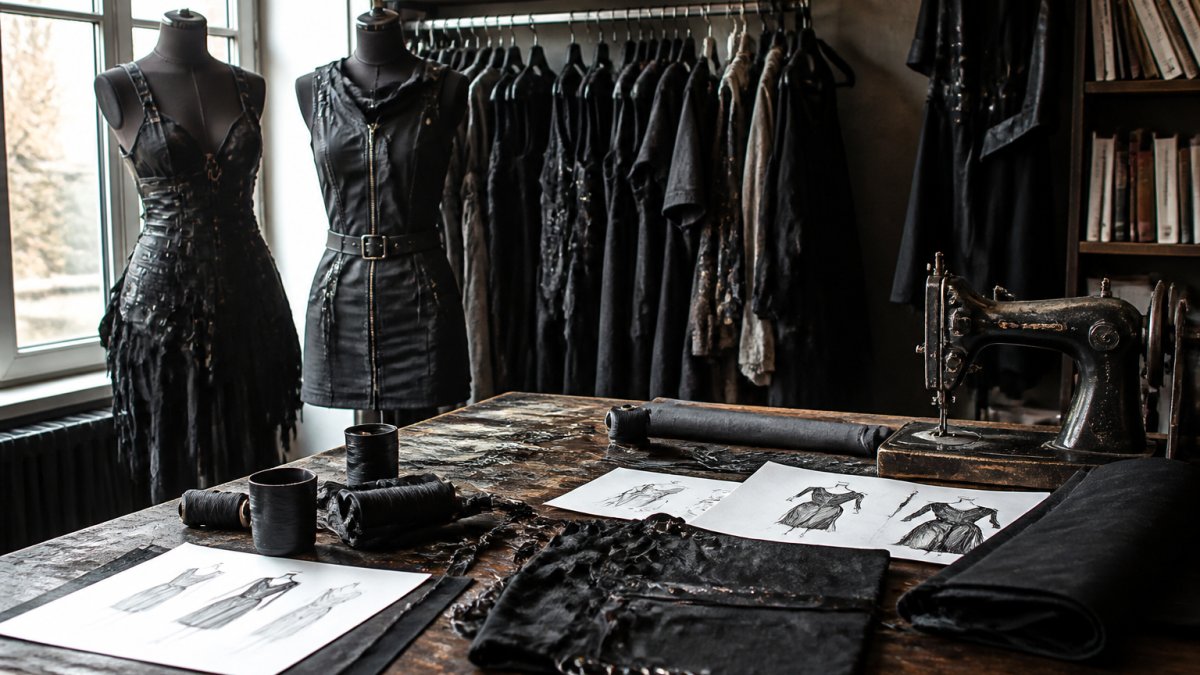
Made-to-order alternative clothing is apparel produced only after a customer places an order, built to their measurements and design specifications rather than pulled from existing stock. You can see the actual custom design service and how to start your own order.
The sequence is less mysterious than it sounds. Most independent makers follow a version of this:
- Enquiry and consultation. You describe what you want, share reference images, and confirm the maker can actually build it.
- Design brief and quote. You agree on silhouette, fabric, colour, hardware and print. Pricing depends on materials, complexity and timeline, so ask for a written quote before committing.
- Measurements. You submit a measurement set, usually with photos for verification.
- Deposit and production slot. A deposit secures your place in the queue.
- Construction. The maker cuts, sews and finishes the piece.
- Fitting or approval. Some makers send progress photos; others offer a toile or mock-up stage.
- Shipping and delivery. International delivery timelines vary widely by maker and destination.
What most guides miss is step two. A vague brief is the single biggest cause of disappointment in custom orders. If you cannot describe the garment in plain language, the maker will fill the gaps with their own assumptions.
Here is the order-to-delivery sequence most independent makers follow.
| Step | What to do |
|---|---|
| 1. Enquiry and consultation | Describe what you want and share reference images |
| 2. Design brief and quote | Agree silhouette, fabric, colour, hardware and print; get written quote |
| 3. Measurements | Submit a measurement set, usually with photos |
| 4. Deposit and production slot | A deposit secures your place in the queue |
| 5. Construction | The maker cuts, sews and finishes the piece |
| 6. Fitting or approval | Progress photos, or a toile or mock-up stage |
| 7. Shipping and delivery | International delivery timelines vary by maker and destination |
The Alternative Clothing Size Guide: Getting Measurements Right the First Time
Most custom-order failures trace back to a tape measure, not a sewing machine. Get these numbers right and you eliminate the returns problem almost entirely.
Take measurements over light clothing, keep the tape snug but not tight, and have someone else measure you where possible. You need:
- Bust or chest at the fullest point
- Waist at the natural narrowest point, not where your trousers sit
- Hips at the fullest point, usually around the seat
Two habits separate a good measurement set from a bad one. First, measure twice and record both sets; if they differ by more than a centimetre, you have a technique problem. Second, note your posture and any asymmetry, because a made-to-measure garment can accommodate a dropped shoulder but only if the maker knows about it.
Watch out: sending "I'm usually a medium" instead of numbers defeats the entire purpose of a custom order. A medium at one brand is a large at another, and neither tells a maker where your waist actually sits.
Turning Numbers Into Fit: What to Send Beyond the Tape
A measurement set is necessary but not sufficient. Makers need to know how you want the garment to sit, not just how big you are. Add these notes to every brief:
- Ease preference: do you want a corset that laces closed with no gap, or one that leaves a two-inch modesty panel? State it.
- Rise and length: where should the waistband sit, natural waist, high hip, or low slung? For jumpsuits, give your preferred crotch depth and whether you want a relaxed or fitted leg.
- Asymmetry and posture: note a dropped shoulder, forward head, sway back, or fuller bust. A good maker adjusts the pattern; a bad one ignores the note.
Confirming Fit Before the Final Stitch
Ask the maker what fit-confirmation stage they offer. The strongest makers use one of three mechanisms:
- Toile or muslin: a cheap test garment in cotton, shipped or photographed on you, so the pattern is corrected before the final fabric is cut.
- Progress photos with measurements: the maker pins the garment on a form or on you and confirms key points (bust, waist, hip, shoulder) against your numbers.
- Half-size or adjustable construction: lacing, corset backs, or side ties that let you fine-tune fit by a few centimetres.
If a maker offers none of these, treat the order as final-sale and price your risk accordingly.
Custom Gothic Dresses: From Design Brief to Finished Piece
A design brief is the document that decides whether your custom gothic dress arrives as the piece in your head or a stranger's interpretation of it. Write it properly and the rest of the process runs smoothly.
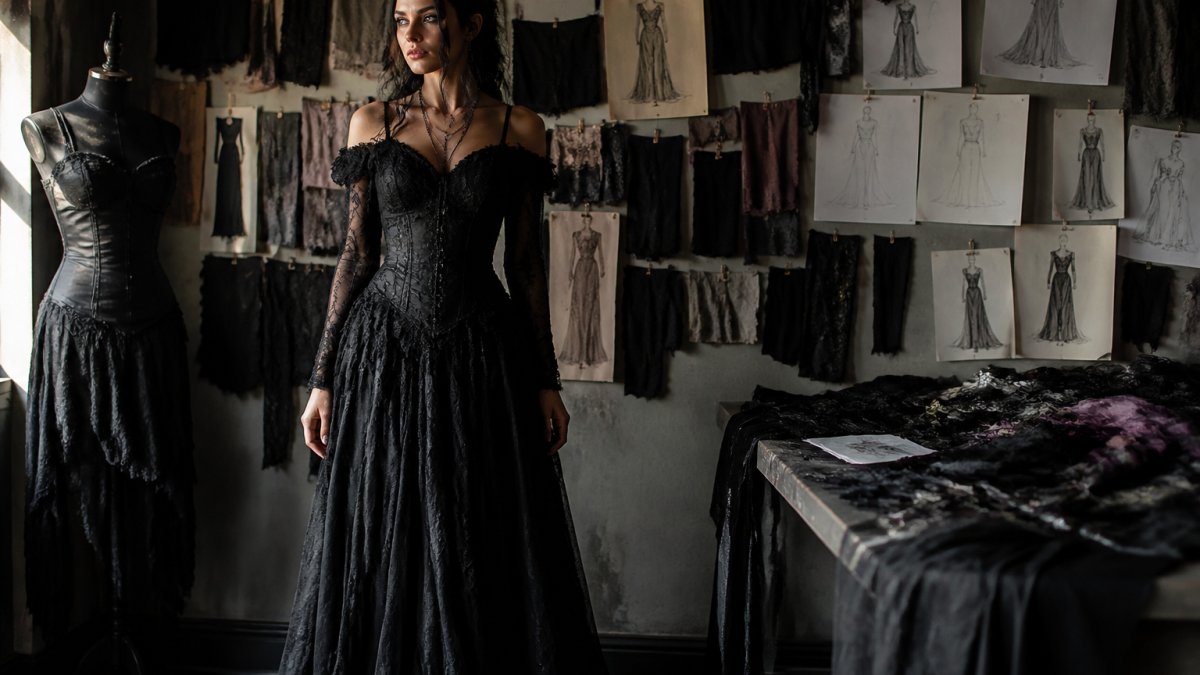
Here is the structure we recommend for a brief that leaves nothing to guesswork:
- Silhouette: fitted bodice with a full skirt, column cut, asymmetric hem, corseted waist. Describe it in one sentence.
- Length: floor, midi, above knee, with or without a train.
- Fabric preference: structured cotton, flowing viscose, lace overlay, velvet. Say what you want it to feel like, not just what it is called.
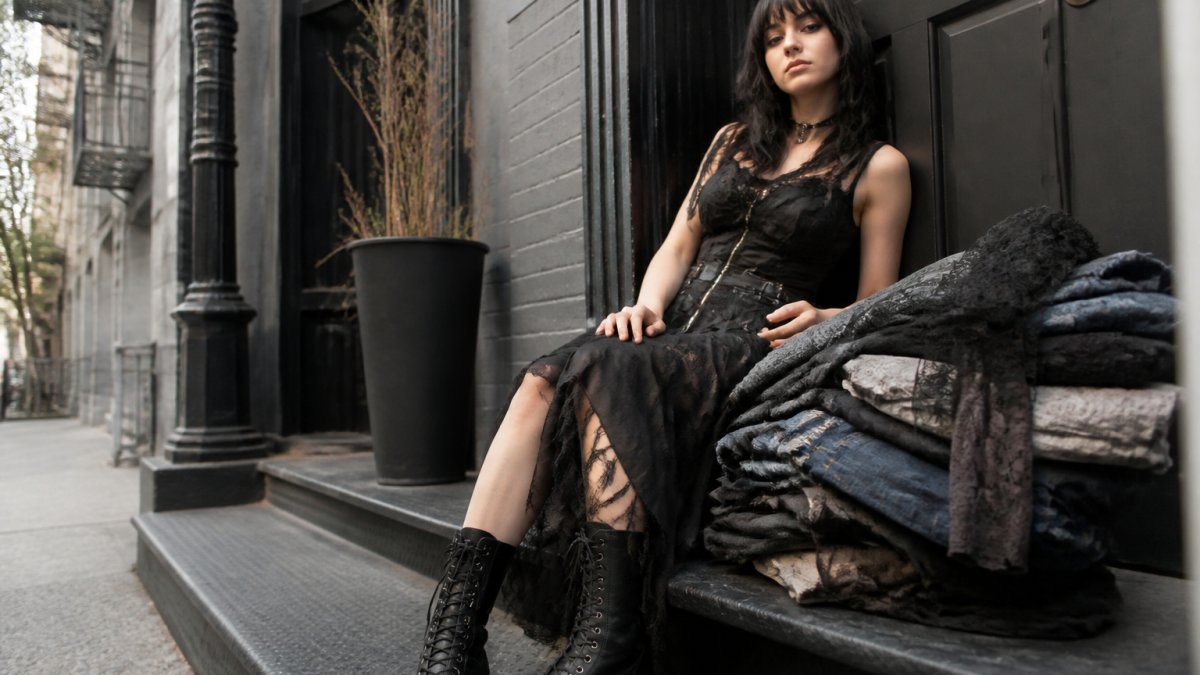
The romantic, mysterious, elegant register of gothic clothing depends on proportion and drape, and those are exactly the details a brief must pin down. Browse real one-of-a-kind custom pieces to see what a finished custom garment looks like.
Is Ethical Alternative Fashion Worth Paying More For?
Ethical alternative fashion costs more because made-to-measure production does not benefit from the economies of scale that fast fashion relies on.
It usually does, for three reasons. Custom production eliminates dead stock, because a garment is only made once someone has ordered it. Made-to-measure construction typically involves more hands-on labour per piece, which is where the cost sits. And a garment built to your measurements gets worn for years rather than a season, which changes the cost-per-wear maths entirely.
The honest limitation: "ethical" is a claim, not a certification, and not every independent brand substantiates it.
If sustainability is part of your reasoning, it helps to understand the wider case against disposable clothing. Read how to avoid fast fashion for practical guidance.
How to Vet Independent Makers and Protect Your Order
Independent makers are not interchangeable, and treating them as such is how people lose money. Vetting takes ten minutes and saves months of frustration.
Run this checklist before you pay a deposit:
- Does the maker have a real About page with a name, location and history?
- Are there photos of finished work on real bodies, not just flat-lays?
- Can you find customer reviews or fit pics outside the maker's own site?
Two red flags deserve a hard stop. A maker who will not put a timeline in writing is a maker who will miss it. A maker who demands full payment upfront through an untraceable method is a maker you should walk away from.
Deposits, Payments, and Cancellation Terms
Custom orders rarely follow retail payment rules. A common pattern is a non-refundable deposit (often 30-50% of the total) to cover materials and reserve a production slot, with the balance due before shipping. Ask these questions before you pay:
- What does the deposit cover, and is any part refundable if I cancel? Get the answer in writing.
- When is the balance due, before construction, before shipping, or on delivery?
- What happens if the maker misses the agreed deadline? A good policy offers a revised date or a partial refund.
Use a payment method with buyer protection, credit card, PayPal Goods & Services, or a platform escrow, rather than a direct bank transfer or friends-and-family payment. If the maker insists on an untraceable method, that is your signal to walk.
Alterations, Returns, and Damage
Custom garments are usually exempt from standard returns because they cannot be resold. That makes the alteration and damage policy the most important document in the transaction. Confirm:
- Free alterations window: many makers offer one round of adjustments within 14-30 days of delivery if the fit is off due to their pattern work.
- Who pays shipping: clarify whether alteration shipping is covered by the maker or the buyer.
- Damage in transit: ask for photographic proof requirements and whether the maker replaces or repairs.
Questions That Reveal How a Maker Works
Specific questions get specific answers. Try these:
- "Which pattern block will you start from, and what adjustments will you make for my measurements?"
- "What is your current production queue, and what date can you commit to in writing?"
- "Which fabrics do you source, and can you send a swatch before I commit?"
A maker who answers with names, dates, and mechanisms is worth your deposit. A maker who answers with adjectives is not.
Knowing who is behind the brand matters as much as the garments themselves. Check the About Us page to see who is behind the brand.
Ordering Your Custom Snarkeez Statement Piece
Seven steps, one outcome: a garment that fits you and nobody else. The process rewards preparation. Measure carefully, brief specifically, vet the maker, and get the timeline in writing.
At Snarkeez, we build dystopian fashion for people who reject uniformity.
Ready to commission something that is actually yours? See an example custom statement piece you can order. Shop with Snarkeez.
Frequently Asked Questions
How do I choose the right size for custom made alternative fashion online?
Take fresh measurements with a soft tape measure: bust, waist, hips, and any relevant lengths. Compare them to the maker's size chart rather than assuming your usual high-street size, because alternative fashion brands often cut differently. If you fall between sizes, send your measurements and ask which size or adjustment the maker recommends. Keep the tape snug but not tight, and measure over the underwear you would wear with the piece. Getting this right up front avoids returns and alterations later.
What is the difference between made-to-order and bespoke clothing?
Made-to-order means the garment is produced after you order, usually from a standard pattern in a set size, sometimes with small adjustments or fabric choices. Bespoke means the pattern is drafted from scratch around your own measurements, so the fit is unique to you. Made-to-order is typically faster and less expensive, while bespoke takes longer and costs more. Many independent alternative fashion makers offer a middle ground: made-to-measure, where a base pattern is adjusted to your measurements.
Is custom made alternative fashion more sustainable than fast fashion?
It often is, for several reasons. Made-to-order production creates less unsold stock, which reduces waste. Smaller makers usually work in short runs and can tell you where their fabric comes from. Garments built to your measurements tend to be worn longer and repaired rather than replaced. That said, sustainability depends on the maker, so ask about fabric sourcing, production location, and whether they offer repairs or alterations. Ethical alternative fashion is a claim worth checking, not just accepting.
How long does a custom order take to arrive, and can I request changes?
Timelines vary by maker and complexity, so confirm the production window before you pay, and ask whether rush options exist for events. Most makers welcome changes at the design brief stage: fabric, length, print, or fit adjustments. Once production starts, changes are usually limited. Get the agreed details in writing, including the delivery estimate and what happens if the piece arrives damaged or does not fit. That written record is your protection if something goes wrong.
The high street will keep selling you the same rack in a different colour. Commissioning a piece takes more effort, and the result is a garment built for your body and your subculture rather than a focus group's idea of it. Get started with Snarkeez and wear something that could only belong to you.